
In 2026, the intersection of sports, politics, and social justice is once again at the forefront of national conversation. Athletes—particularly Black athletes—are being called upon not just to perform, but to influence systems far beyond the court or field.
This episode dives into one of the most pressing questions in sports today:
Can athlete-led movements still drive meaningful social change in a modern, complex landscape?
Athlete Activism in 2026: Influence Meets Reality
Athletes have long held a unique position in society. Their visibility, platform, and cultural influence give them the ability to amplify issues that might otherwise go unheard. In 2026, that influence is still present—but the path to meaningful action is far less straightforward.
The conversation highlights a key tension: while awareness is higher than ever, true collective action has become more difficult to organize. Social media has made it easier to speak out, but harder to unify people around sustained sacrifice.
The result is a landscape where activism is visible—but not always cohesive.
The NAACP “Out of Bounds” Campaign
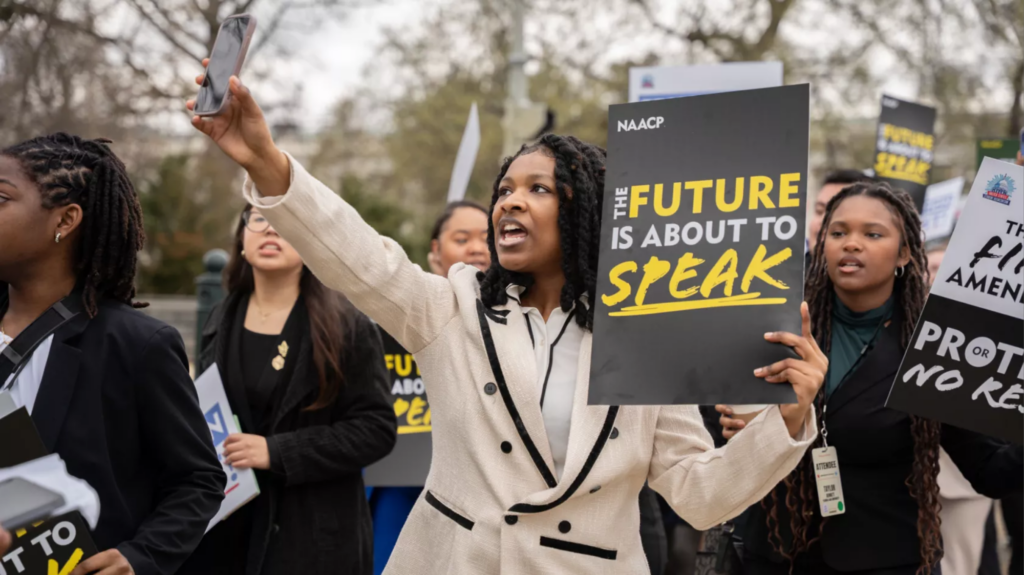
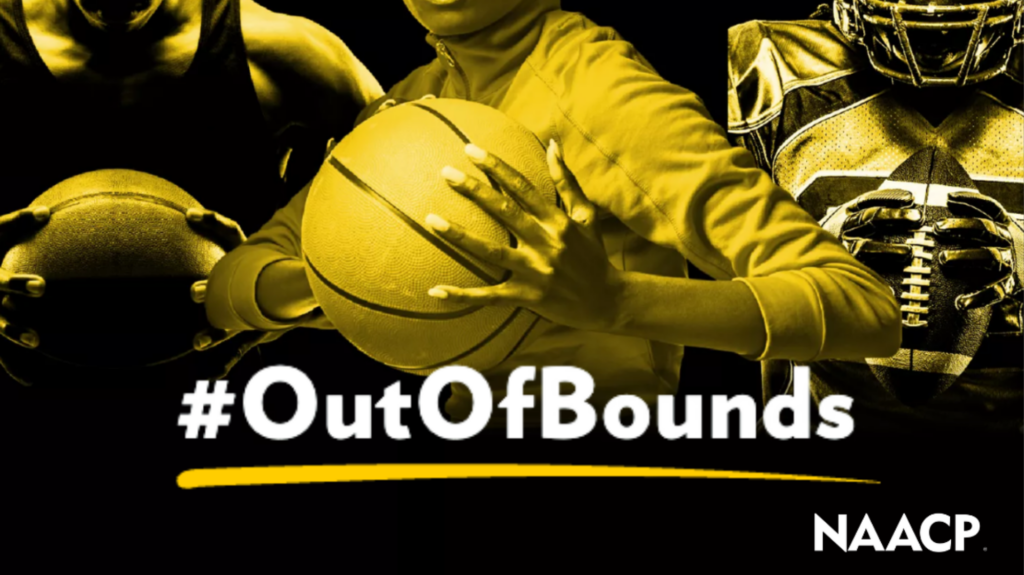
The campaign focuses on states where concerns around gerrymandering and voting representation have intensified. The core idea is to apply pressure through the economic engine of college sports—one that generates billions annually through:
- Recruiting pipelines
- Media exposure
- Fan engagement and merchandise
- Alumni and institutional funding
By encouraging athletes and communities to redirect attention and resources elsewhere, the campaign aims to challenge systems at their financial core.
Proposed Boycott of Southern College Programs
The proposed boycott is one of the most powerful—and controversial—tools discussed.
College athletics, particularly in the South, rely heavily on elite talent and fan investment. A coordinated movement that influences where top athletes choose to compete could significantly impact:
- Program success and competitiveness
- Revenue streams tied to winning programs
- National visibility and brand power
However, the episode explores the real challenge behind this idea:
Execution.
Convincing athletes to forgo opportunities, exposure, and financial incentives requires more than messaging—it requires alignment, trust, and shared commitment across a wide group of individuals with different goals and circumstances.
Gerrymandering & Voting Rights at the Core
The foundation of the “Out of Bounds” campaign is rooted in concerns about voting rights and political representation, particularly in historically Black communities in the South.
The discussion points to ongoing debates around redistricting practices and how they may impact the ability of communities to maintain fair representation. These issues extend beyond politics—they shape access, opportunity, and long-term equity.
By tying these concerns to college sports, the campaign attempts to connect athletic participation with civic accountability, making the issue relevant to a broader, younger audience.
The Role of Black Athletes in Social Justice Movements
Black athletes have historically played a pivotal role in driving social change. From past generations to the present, their voices have often been catalysts for awareness and progress.
But the episode makes an important distinction:
visibility alone is not enough.
For meaningful change to occur, there must be:
- Collective action across athletes
- Support from communities and fans
- Willingness to apply sustained pressure
Athletes can spark movements—but lasting impact comes from shared responsibility.
The Challenge of Organizing Modern Athlete-Led Movements
One of the most honest and important takeaways is the difficulty of building unified movements in today’s environment.
Despite access to platforms and information, several challenges remain:
- Individual priorities, including career and financial opportunities
- A lack of immediate, felt consequences for many
- The complexity of coordinating large, diverse groups
There’s also a deeper reality explored:
Historically, major social movements often reached critical mass when people could no longer ignore the consequences of inaction.
In today’s environment, that level of urgency isn’t always felt universally—and without it, mobilizing large-scale sacrifice becomes significantly harder.
The Bigger Question: What Will It Take?
At its core, this conversation isn’t just about one campaign or one moment—it’s about the future of athlete influence.
It raises critical questions:
- What does meaningful activism look like in a modern sports economy?
- Can economic pressure through sports still create systemic change?
- Are athletes, institutions, and communities prepared to act collectively?
The answers aren’t simple—but they are necessary.
Why This Conversation Matters
This discussion goes beyond headlines and social media posts.
It offers a deeper, more nuanced look at:
- The power and limits of athlete activism
- The real-world challenges of organizing movements today
- The connection between sports, economics, and civic engagement
If you want to understand where sports and society are headed—not just where they are now—this is a conversation worth engaging with fully.