
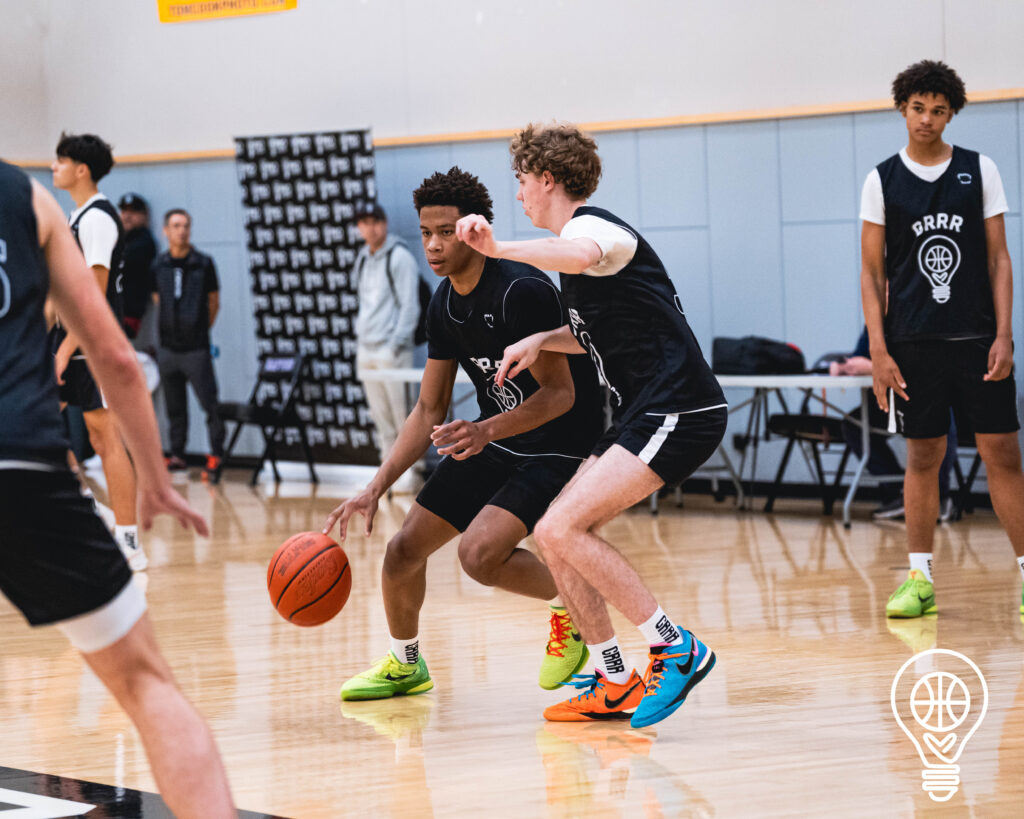
If you want to reach the next level, this might be uncomfortable—and it should be.
I recently spoke with a high-level player. State tournament experience. Proven competitor. Fully committed to an AAU program with constant games and travel.
Six months later, the issue was clear.
Despite playing more, his basketball skills—the foundational ones—had declined.
More activity didn’t mean better skill development.
Playing More Is Not the Same as Skill Development
Basketball rewards motion.
Games played.
Events attended.
Highlights posted.
It looks productive, especially for young athletes trying to take the next step. But games are influenced by role, teammates, matchups, and system. They can hide weaknesses for long stretches.
If your handle slips, your footwork slows, or your mechanics break down, no competitive environment can cover that up forever.
Busy schedules don’t guarantee progress.
Why Games Alone Hurt Long-Term Success

Foundational skills don’t maintain themselves. If they aren’t trained intentionally, they regress.
Games test skills—they don’t build them.
Without a deliberate training program, athletes often wonder how they ended up worse despite constant play. This happens with high school basketball players chasing exposure instead of development.
More without structure leads to less over time.
That’s not bad luck. That’s misdirected effort.
Choosing the Right Programs Matters
Not every training camp, elite camp, or program pushes growth.
Many feel productive without raising standards.
Elite athletes use a simple filter when choosing an AAU program, right prep school, or developmental opportunity: Does this actually demand improvement?
If it doesn’t sharpen fundamentals, provide accountability, or improve decision-making, it delays progress—even if it looks good on paper. Elite competitors don’t confuse activity with advancement.
Responsibility Determines Who Advances
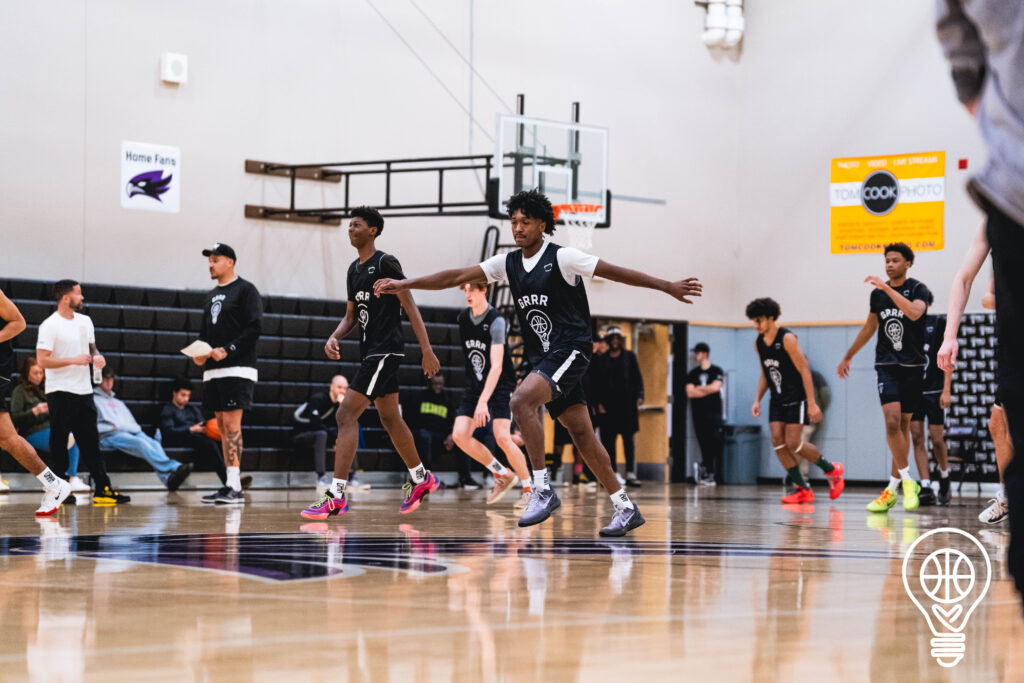
Most athletes don’t realize this until opportunity runs out.
They miss a scholarship.
They never become a college basketball player.
They stall before the highest level.
Then blame the coach or the system.
Elite athletes take responsibility earlier. Growth doesn’t come from schedules or exposure—it comes from choices.
That includes selecting the right programs and seeking honest player evaluations, even when feedback is uncomfortable.
Games Don’t Replace Evaluation or Training
Confidence built only in games is unstable. Without measurable improvements in fundamentals, that confidence eventually disappears.
Honest player evaluations guide development. Development—not exposure—creates opportunity and gives athletes a better chance to advance.
Those who invest in real training separate themselves in any competitive environment.
Final Thought
Elite results don’t come from doing more.
They come from doing what matters.
For athletes focused on long-term success, the process must come before exposure. Skill before schedule. Development before noise. If your process isn’t elite, the outcome won’t be either.