
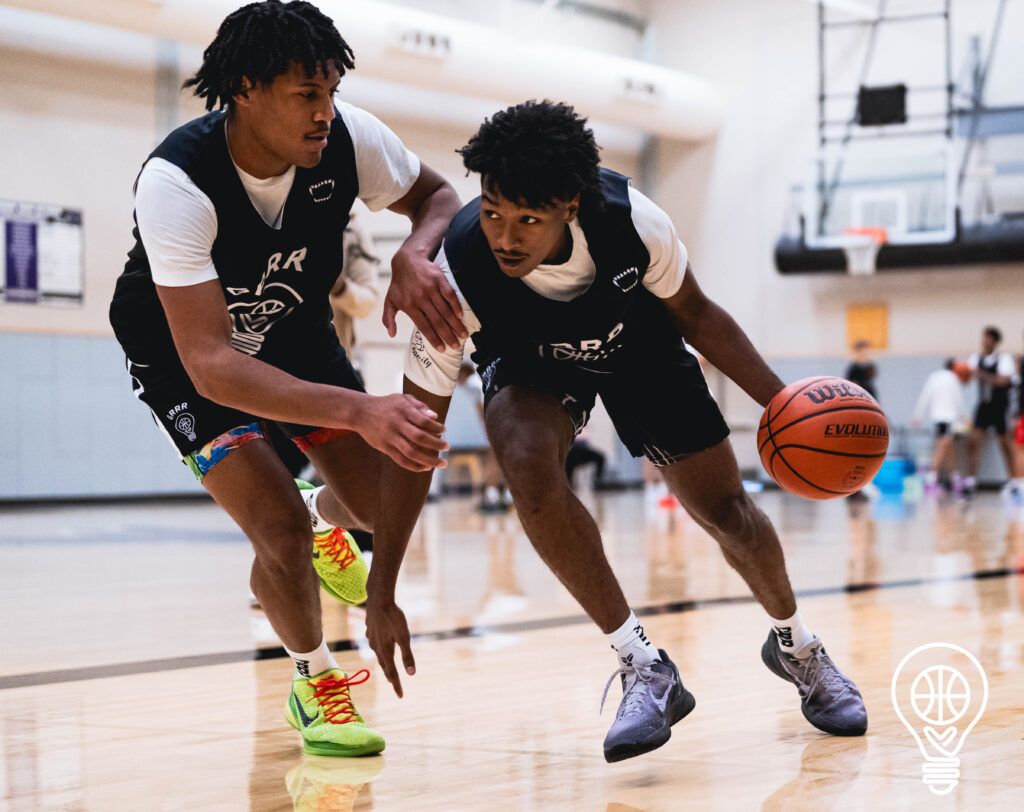
When parents and players ask about college basketball recruiting, they usually expect the answer to involve talent, exposure, or finding the right AAU team.
But after decades in the game — as a player, student of the process, and mentor to athletes navigating today’s recruiting landscape — there’s one factor that consistently separates real college prospects from everyone else:
How they manage their time.
Every player gets the same 24 hours.
Every player operates inside the same recruiting calendar.
Every player has a limited window to prove they belong in a college program.
Yet only a small percentage ever earn that opportunity — whether through high school recruiting or later through the transfer portal.
The difference is rarely talent. It’s time.
A Personal Reality Check: Why I Was Blessed Before I Ever Knew It
One of the biggest reasons I understood this early — even when I didn’t fully appreciate it — is because I was blessed with a father who had already been through the process.
My father played professionally in the NBA. He went the junior college route, then on to have a highly successful college career at Xavier University. Because of that, he had a clear understanding of how the recruiting process actually works — not how it’s marketed to players and parents.
And here’s the key part: He didn’t let me do certain things until I had earned the right to do them.
No shortcuts.
No skipping steps.
No chasing exposure before preparation.
I wasn’t allowed to jump ahead until I had handled the foundational work that would actually allow those opportunities to bear fruit.
At the time, it felt restrictive. In hindsight, it was everything.
That foundation allowed me to:
1. Become the #1 prospect in the Northwest
2. Be recognized as the #1 shooting guard prospect on the West Coast
3. Go on to have a successful college career
And that happened despite dealing with serious obstacles — including illness, injury, and working through chronic fatigue syndrome.
I didn’t survive that period because things were easy. I survived it because my preparation was strong enough to carry me through when things got hard.
The Most Common Mistake Players Make Today
Here’s the challenge I see now — every single year — as I work with players and families:
It’s becoming harder and harder for athletes to log into what actually makes the most sense for them based on where they are in their process.
Everyone wants to skip to the end.
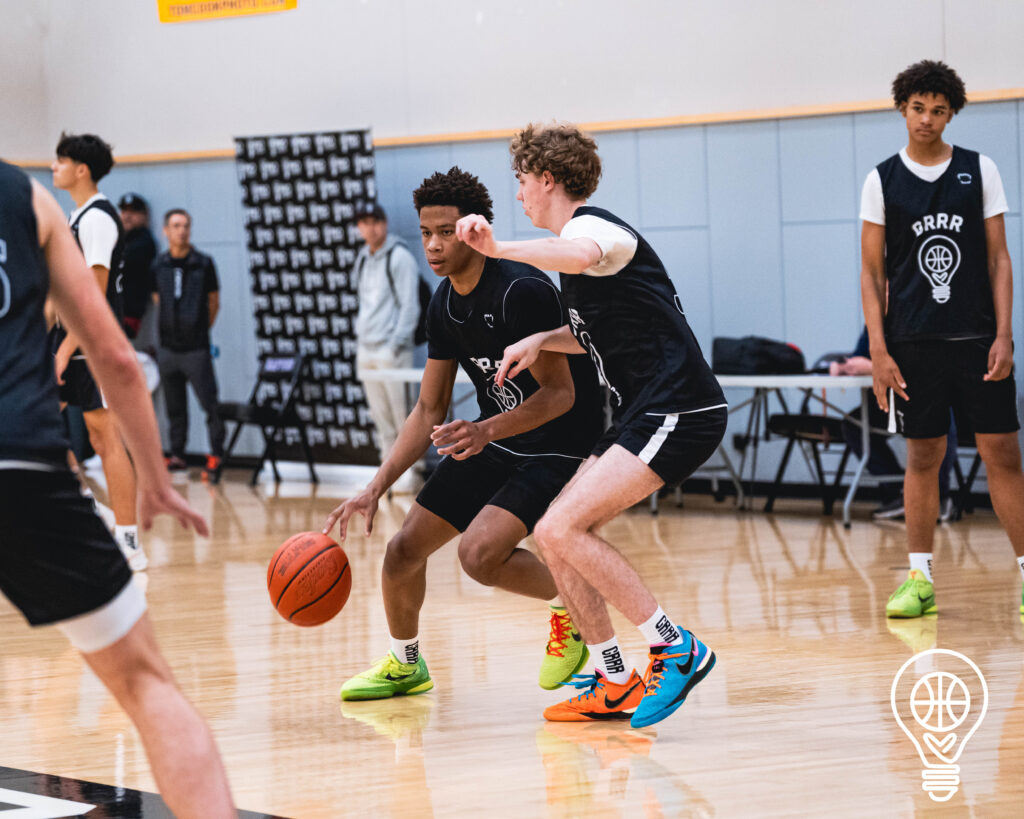
They want:
• Exposure before development
• College coaches watching before consistency
• Offers before confidence
• Recruiting attention before readiness
Players jump into:
Teams
Tournaments
Non-stop travel
“Exposure” events
…without first building a game that can hold up under real evaluation.
They want exposure — but don’t yet have a game worth exposing.
That’s not judgment. That’s the reality of today’s recruiting environment.
Development Time vs. Distraction Time
Your prospect timeline is not fixed. It’s fluid.
What you need as an 8th grader is not the same as what you need as a sophomore. What you need before earning respect from college coaches is not the same as what you need after.
But when your development time doesn’t match your actual needs, progress stalls — and opportunities disappear.
That’s where most players lose ground.
A Real Example: When Time Finally Got Used the Right Way
One of the clearest examples is a former athlete I coached from Moses Lake — Abby Rathbun.

Abby had everything coaches say they want:
• Work ethic
• Toughness
• Character
• Competitiveness
But her time wasn’t aligned with her goals.
When we broke it down:
Hours driving to Seattle for practices = almost no reps
Hours in team practices = very limited individual reps
Hours in tournament games = very few controlled reps
Hours in real development training = barely any
It came out to roughly:
300 hours in travel, teams, and competition
30 hours in development
That ratio doesn’t build confidence.
That ratio doesn’t attract college coaches.
That ratio doesn’t lead to athletic scholarships.
I told her plainly: “You need five to ten times more preparation than competition if you want real results.”
She listened. She adjusted. She committed to preparation first.
And the result?
✅ Division I scholarship
✅ University of San Francisco
✅ Full ride
✅ Master’s degree earned
Not luck.
Not hype.
Not politics.
Time used correctly.
The Real Competition Isn’t Other Players — It’s Time
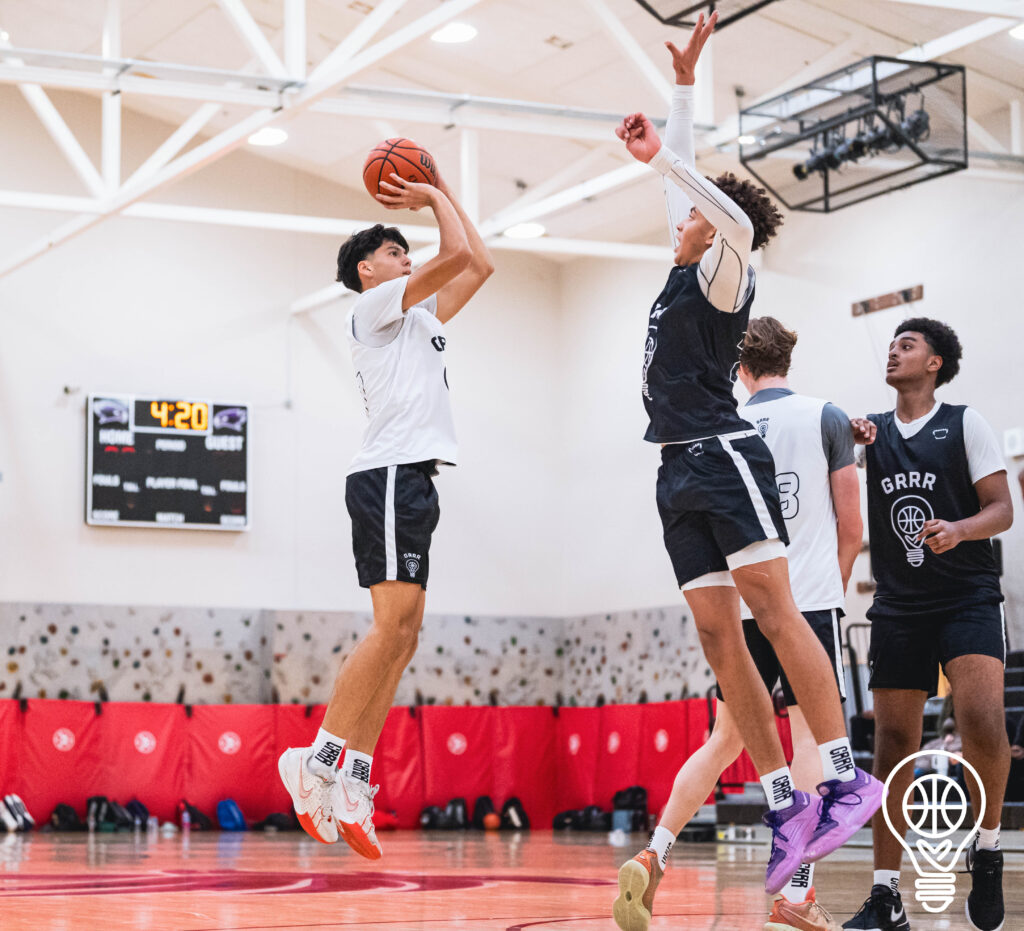
Players think they’re competing against other athletes.
They’re not.
They’re competing against every other player’s discipline with time — including players rising through the transfer portal.
The ones who win are the players who:
• Prepare more than they perform
• Invest in development over travel
• Choose reps over road miles
• Align habits with goals
• Build confidence through preparation
• Listen to coaches who’ve actually walked the path
You don’t become a college prospect by following the crowd.
You become one by managing time better than the crowd.
Talent Matters — But Foundations Turn Talent Into Opportunity. This is the part I learned early and try to pass on now:
Talent without a foundation doesn’t last.
Talent has to be:
• Developed responsibly
• Protected intentionally
• Placed in the right environment
Especially in today’s recruiting world — where college coaches are evaluating high school players and the transfer portal at the same time — wasted time is unforgiving.
Talent placed too early is fragile. Talent built patiently is durable.
In the next blog, we’ll go deeper into how to protect your talent, choose the right environment, and identify who actually helps you move forward — instead of just moving you around.
This is exactly why we created our College Prep Program — to help players stop guessing, stop wasting time, and start building a foundation that holds up when college coaches evaluate them. If you’re ready to train with intention instead of chasing exposure, this is where that shift begins.