

Youth basketball in the United States is exploding. AAU teams pack weekend tournaments year‑round, gyms are filled, and social media is saturated with highlight clips. On the surface, it seems like more opportunity than ever for young hoopers.
But talk to college staffs, trainers, and even NBA pros, and a common concern surfaces: the current AAU model is slowing—sometimes outright stunting—individual player development.
This isn’t an attack on AAU. Plenty of programs do it right. The problem is structural: the way modern AAU incentivizes games, exposure, and entertainment often works against the fundamentals, habits, and skills players need to be recruitable and successful at higher levels.
Below is a breakdown of why this is happening—plus the practical, realistic fixes that players, parents, and coaches can apply without abandoning AAU entirely.

1. The Game Schedule vs. the Growth Schedule
AAU is built around tournaments—four games in two days, then another city, then another event. That rhythm boosts exposure but starves the development cycle, which requires:
Teach → Rep → Feedback → Adjust → Rep Again
Most AAU weekends leave no space for practice blocks, film sessions, or skill work. Players log minutes, not mastery.
High school basketball gets criticized for being too structured, but it provides one thing AAU rarely does: a healthy practice‑to‑game ratio. That’s where skills get installed and reinforced.
Bottom line: Games should measure growth—not replace it.
2. Highlight Reels vs. Habits That Win
We live in the era of highlight culture. Social clips help with marketing, but they distort what young players value.
Instead of screening, tagging rollers, making extra passes, or defending, players chase stepbacks and viral moments.
College coaches don’t evaluate one‑minute montages—they evaluate 70–80 possessions:
- • Defend without fouling
- • Finish through contact
- • Space with purpose
- • Read the game under pressure
Viral moments rarely translate into recruitable habits.
Bottom line: Habits scale; highlights don’t.
3. Lack of Structure Creates Shaky Skill
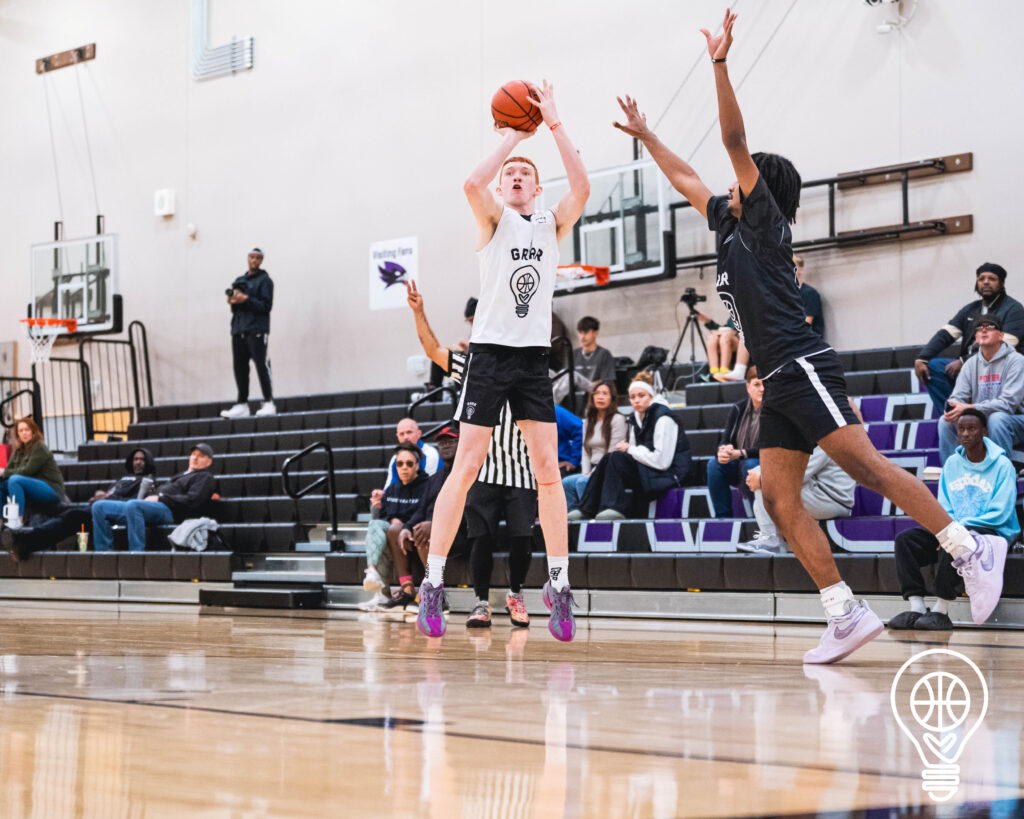
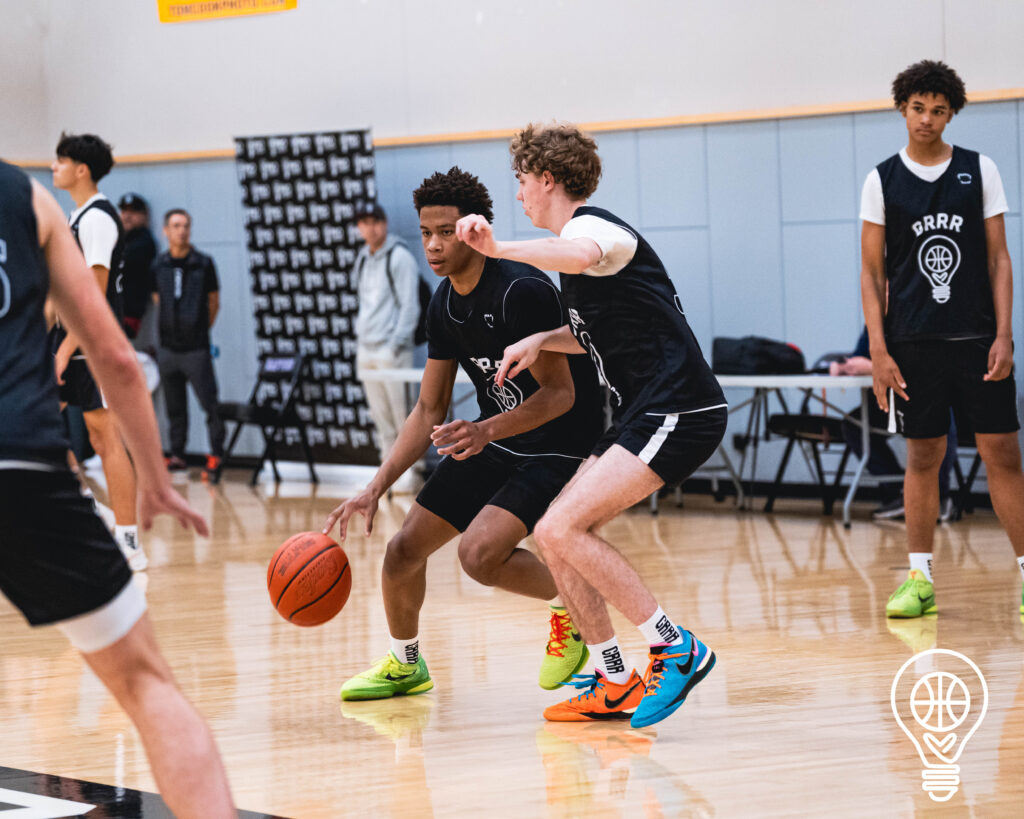
Many college coaches complain about the lack of structure in AAU—not because coaches don’t care, but because tournaments incentivize quick installs and simple schemes.
Spacing rules, defensive principles, and terminology often change every weekend. Players never get consistent reps to become automatic in the basics.
Contrast that with many European youth systems: heavy emphasis on technique, advantage creation, and decision‑making through small‑sided games.
They train reads; we chase reels.
Bottom line: Consistent structure creates consistent skills.
4. Too Many Games, Not Enough Skills
If a player logs 50+ games but can’t shoot 70% from the line, hit an open catch‑and‑shoot three, or contain the ball for three dribbles, more games won’t fix that.
They need skill development—boring, targeted, deliberate work on:
- • Finishing packages
- • Shooting mechanics
- • Handle under pressure
- • Defensive footwork
Even NBA players dedicate entire offseasons to fundamentals. So why would a 14–17 year‑old skip that phase?
Bottom line: Skills compound only when you make time for them.
5. The Recruiting Reality: Coaches Choose Reliability

College staffs recruit players who reduce coaching risk. They want athletes who:
- • Are fundamentally sound
- • Are emotionally stable
- • Play the right way
- • Make teammates better
- • Execute simple things consistently
In the age of the transfer portal, high school recruits must show a college‑ready floor, not just potential. AAU exposure gets you seen.
Development gets you believed.
Bottom line: Reliable beats remarkable—unless you’re remarkably reliable.
6. What Great AAU Coaches Do Differently
The best AAU coaches bake development into their program. They:
- • Use consistent terminology
- • Hold players to defined roles
- • Carve out practice blocks
- • Teach through small‑sided games
- • Track real KPIs (talk, rebounds outside area, contested vs. uncontested shots, screen assists, etc.)
They coordinate with high school coaches and trainers so the athlete isn’t learning a new language every month.
When adults align, kids accelerate.
Bottom line: Elite AAU programs are development programs that also compete—not the other way around.
7. Practical Fixes for Players and Parents

You can start these immediately:
- A. Rebalance the Calendar
Aim for a 2:1 training‑to‑games ratio during spring/summer.
- B. Build a personal curriculum
Choose three focus areas and track them for eight weeks.
- C. Use small‑sided games to build reads
Try constraints:
- “No dribble before a paint touch”
- “Two‑foot finishes only”
- “Hit the roller once per possession”
- D. Redefine what a ‘good game’ means
Track winning habits: deflections, kills, second‑effort boards, advantage passes.
E. Make honest highlight reels
Show decision‑making, spacing, communication, and role execution.
- F. Choose events intentionally
Fewer, better‑scouted tournaments beat random showcases.
- G. Protect your practice block
If travel steals Thursday–Friday, reserve Sunday–Monday for skill work and film.
- H. Learn the life lessons
Use AAU travel to build habits: punctuality, nutrition, sleep, leadership.
8. What College Coaches Wish Every AAU Player Knew
- • Your role is your runway.
- • Coaches recruit trust, not just talent.
- • Consistency beats chaos.
- • Multipliers get minutes.
Players who embrace these truths turn AAU from a drag into a developmental advantage.
9. Why European Players Keep Gaining Ground
College coaches increasingly rave about how European players read the game.
That’s not genetics—it’s training.
European youth systems:
- • Build identity around spacing and passing
- • Teach pick‑and‑roll like a language
- • Use small‑sided games constantly
- • Emphasize off‑ball movement early
Too many American players chase highlights before fundamentals.
Skills earn exposure; exposure doesn’t create skills.
10. A Blueprint for Doing AAU the Right Way
- • Pick a purpose-driven program
- • Align high school, AAU, and trainer priorities
- • Train for translation (drills must connect to game actions)
- • Periodize the year (offseason → preseason → in‑season → reset)
- • Use the floor as feedback (film > social media)
- • Chase boring excellence
The Final Word
AAU isn’t the enemy. The problem is when the race for games and attention crowds out the very processes that create long‑term success.
To fix the system, we need to shift:
- From tournaments → to training
- From highlights → to habits
- From chaos → to structure
- From being seen → to being trusted
Do AAU—but do it the right way.
Put development at the center. Protect the fundamentals. Let the games test your growth, not replace it.
When we build the person, the player, and the process—everything else follows.