A Message to Parents of Young Athletes
Most people who meet me today don’t know I survived a stroke.
And the ones who do often forget—because when they see me moving, working, training, and laughing, they don’t see “recovery.” They see someone who looks whole again.
That didn’t happen by accident.
My recovery wasn’t fueled by luck, genetics, or a miracle shortcut. It was built on lessons I started learning as a kid—long before life ever tested me like that. I learned them through youth sports, through the game of basketball, and through environments that challenged me to grow.
If you’re a parent of young athletes, this is why what you’re giving your child matters far more than wins, stats, or scholarships.
The Scoreboard Was Never the Point—Standards Were
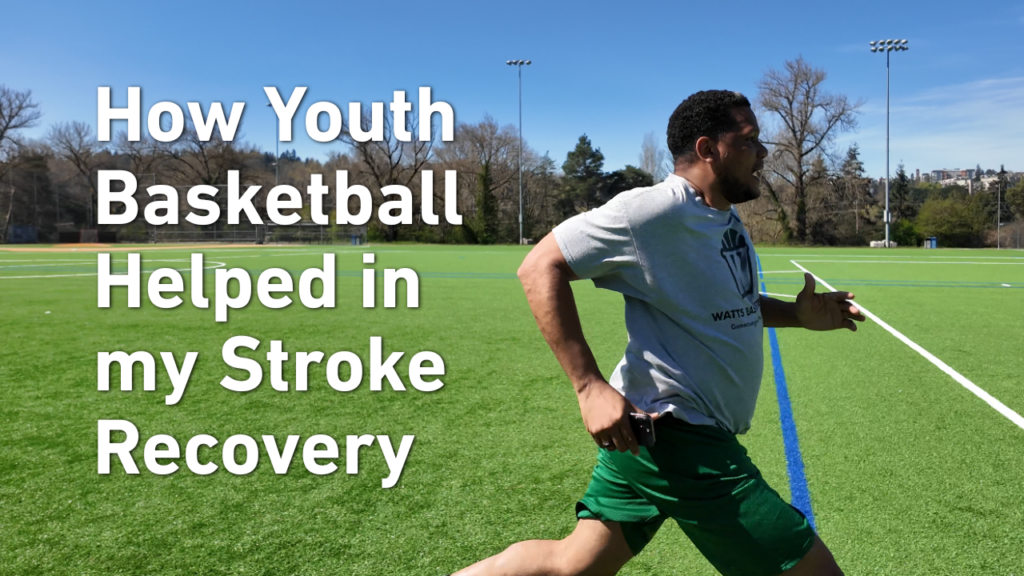
Recently, during one of my workouts, I was running strides—repeated runs the length of a full soccer field. I ran it five times that day, timing each one.
The first time down the field, it took me 19.9 seconds.
Same distance. Same intent. Same effort.
By the final run, I crossed the end line at 16.2 seconds.
Those numbers wouldn’t mean anything to anyone else. There was no crowd. No scoreboard. No opponent watching the clock. But they meant everything to me—because they showed progress.
Not perfection. Progress.
That’s how I’ve always understood performance, from high school basketball to AAU basketball and into recovery: by tracking improvement against myself. Those numbers represent effort, consistency, and accountability—the core of individual development.
That’s one of the most important lessons youth basketball training teach when they’re run the right way: Your standard is personal.
On the basketball court, whether you’re in middle school, high school, or a summer basketball camp, you learn to compete with who you were yesterday—not with others who may be at different skill levels. That mindset carried me through recovery. It didn’t come from rehab manuals. It came from years of repetition, accountability, and showing up—even when progress wasn’t obvious.
Learning to Work Through Resistance
Stroke recovery is humbling. Your brain gives instructions. Your body doesn’t respond. You ask it to do simple things—and it says no.
But sport had already trained me for that conversation.
From early youth sports through competitive basketball, I learned repetition. I learned frustration. I learned persistence. I had spent years asking my body to do hard things on tired legs.
So when recovery demanded patience, I leaned on the same internal language sports had given me:
Try again. Reset. Focus. Execute.
That’s one of the most important life lessons sports teach young athletes—how to keep going when effort doesn’t immediately pay off.
Visualization: More Than a Mental Skill
One of the most important tools in my recovery was visualization.
Not just “getting better.”
But being through it.
Athletes visualize constantly—shots falling, plays unfolding, bodies moving fluidly. That skill is sharpened every day in youth basketball camps, community centers, and summer camps.
I used the same skill to picture movement returning, strength rebuilding, and joy on the other side.
Visualization isn’t fluff. It’s one of the essential life skills sports quietly give young people long before real adversity shows up.
Focus in a World Built to Distract
Recovery is emotional. Life is loud. And I wasn’t perfect.
But the discipline to lock in—to eliminate distractions and stay consistent—came straight from the game.
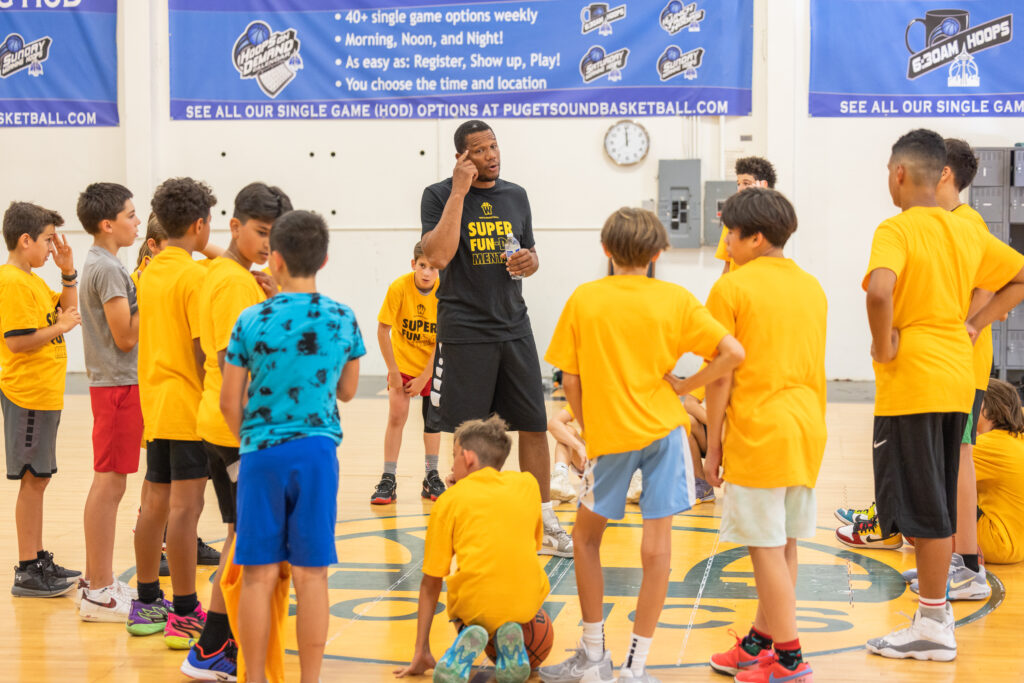
In basketball, teams learn to pursue a common goal. They learn that chaos kills progress, and consistency creates results. That focus gets sharpened with every rep on the court.
During recovery, that focus mattered. I didn’t have energy to waste.
That ability to concentrate—to choose effort over distraction—is another gift sports give young athletes.
The Power of Environment
Recovery also reinforced an important truth: Who you allow around you matters.
In sports, teammates can lift you—or pull you away from your standard. The best programs create a supportive environment where growth is protected and effort is respected.
Recovery demanded the same thing. I had to surround myself with people who supported progress—or at minimum, didn’t undermine it.
That discernment is a life skill developed early in competitive spaces.

Parents, Here’s What I Want You to Hear
When you invest in youth basketball leagues, sports camps, or summer basketball camps, you’re not just helping your child develop basketball skills.
You’re helping them learn how to:
- • Set personal standards
- • Work through frustration
- • Visualize success under pressure
- • Persist when progress feels slow
- • Choose environments that fuel growth
I didn’t know as a kid that I’d need those tools to rebuild my body and my life.
But I’m here today because I had them.
That’s the real return on investment.
From Lessons to Living: Where This All Comes Together
This is exactly why we create opportunities for young athletes to train, learn, and grow in intentional ways.
Our youth basketball camps, summer camps, and development programs aren’t just about producing skilled players—they’re about shaping young people. We focus on individual development, teaching athletes how to handle adversity, stay disciplined, and grow both on and off the court.
Whether your child is just starting out, navigating middle school, or preparing for high school competition, the right environment can make all the difference.
If you’re looking for a place where your child can grow their basketball skills, build confidence, and learn essential life skills in a positive, challenging setting, we invite you to be part of what we’re building.
Our upcoming youth basketball camps and summer basketball camp programs are designed for young athletes of all skill levels, with a focus on:
- • Skill development and fundamentals
- • Mental toughness and focus
- • A strong, supportive environment
- • Long‑term personal growth
Because the goal isn’t just better basketball.
It’s helping young athletes become resilient, confident, and prepared for whatever comes next—on the court and in life.
Join us. The game keeps giving—and the lessons last forever.