As sports parents, it’s easy to assume that more games, more teams, and more tournaments automatically lead to more development.
Unfortunately, that’s not always true.
Many players spend hours at practices and games without getting enough meaningful repetitions to truly improve. They run up and down the court. They learn plays. They wait their turn. They touch the ball a handful of times. Then they wonder why their skill level stays the same.
At Watts Basketball, we look at development differently.
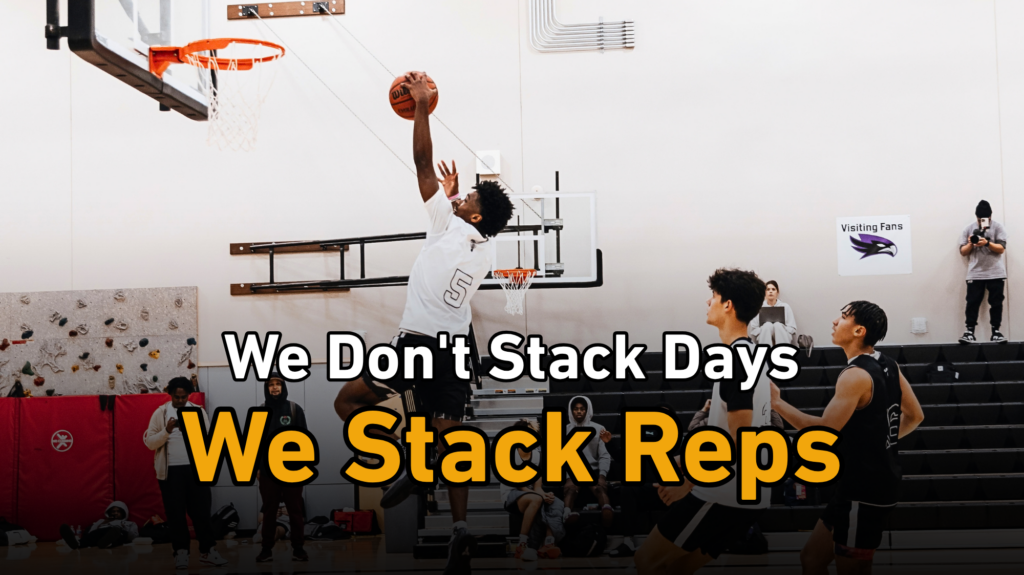
We don't stack days. We stack reps.
The Rep Gap Most Parents Don't Realize Exists
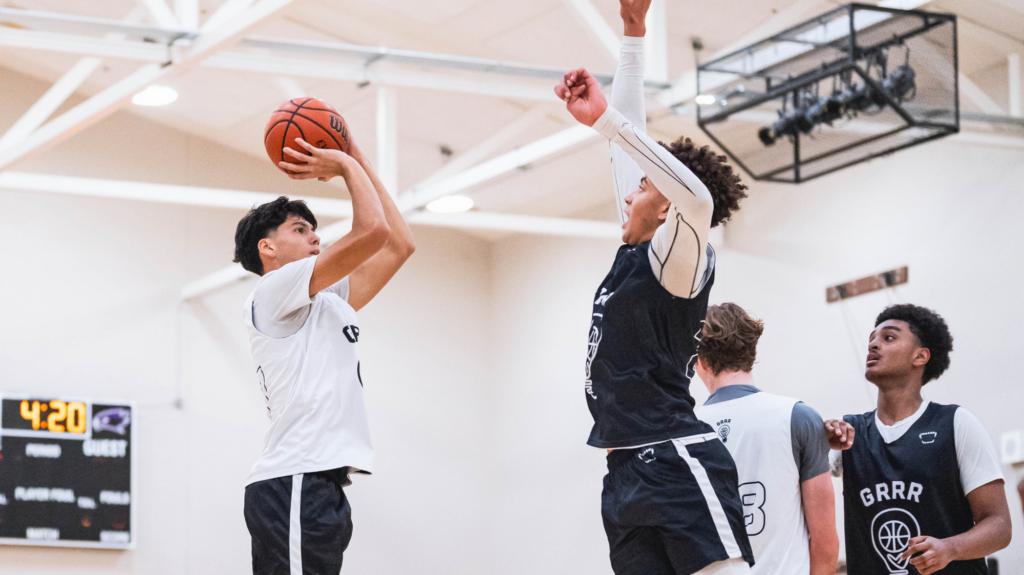
Recently, our players played an eight-minute game of 3-on-3 using international rules.
Afterward, we asked a simple question: Did you get more meaningful basketball action in those eight minutes or in a full Fall League game?
Almost every player agreed.
The eight-minute game provided more touches, more shots, more decisions, more cuts, more screens, more reads, and more opportunities to actually play basketball.
Why?
Because in traditional 5-on-5 games, ten players are sharing one basketball. Much of the game is spent running from one end of the court to the other.
In small-sided games like 3-on-3, every player is constantly involved. Instead of waiting for the game to come to them, players are forced to make decisions.
Quick reads.
Quick reactions.
Quick adjustments.
And that’s where growth happens.
Basketball Is a Decision-Making Game
One of the biggest takeaways from the workout was how quickly players had to think.
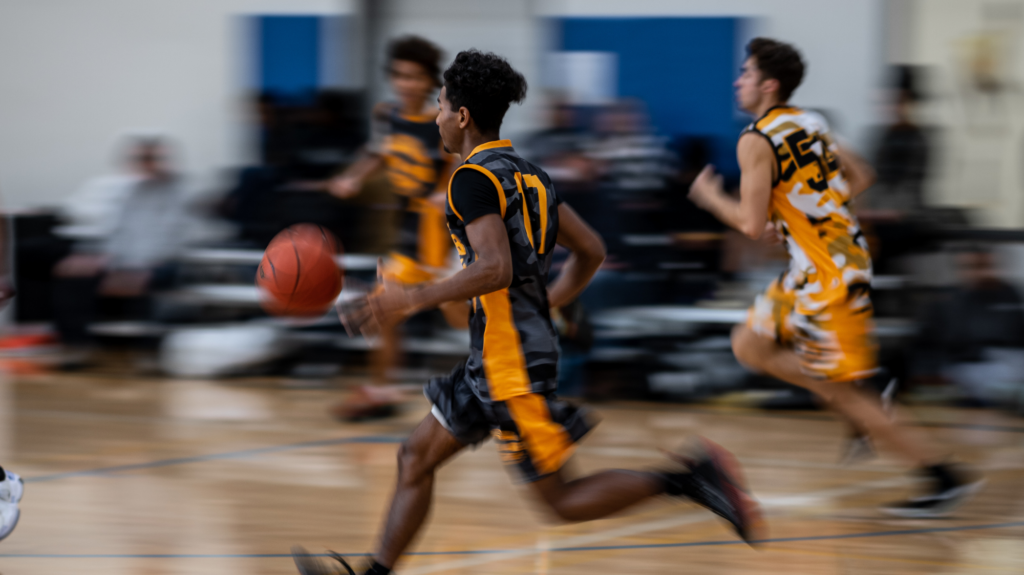
The game moved fast.
Players learned to attack before defenses could get set.
They learned to recognize opportunities.
They learned to cut at the right time.
They learned to see when defenders relaxed.
They learned to make decisions without hesitation.
These aren’t just basketball skills. They’re instincts. And instincts are built through repetitions.
The more quality decisions players make, the better those decisions become.
Why Small-Sided Games Accelerate Development
Think about it this way.
If a player participates in four eight-minute games of competitive 3-on-3, that’s 32 minutes of concentrated basketball action.
In many cases, they will receive:
- • More touches
- • More shot attempts
- • More defensive possessions
- • More screening opportunities
- • More decision-making reps than they would in an entire weekend tournament.
Now imagine doing that multiple times every week.
That’s where acceleration happens.
Players aren’t waiting months to gain experience. They’re gaining experience every session.
The Difference Between Participation and Development
There is a difference between being busy and getting better.
One player goes to practice and spends most of the time learning plays.
Another player spends 30 minutes in competitive environments where every possession matters and every decision has consequences.
Who develops a better feel for the game? The answer is obvious.
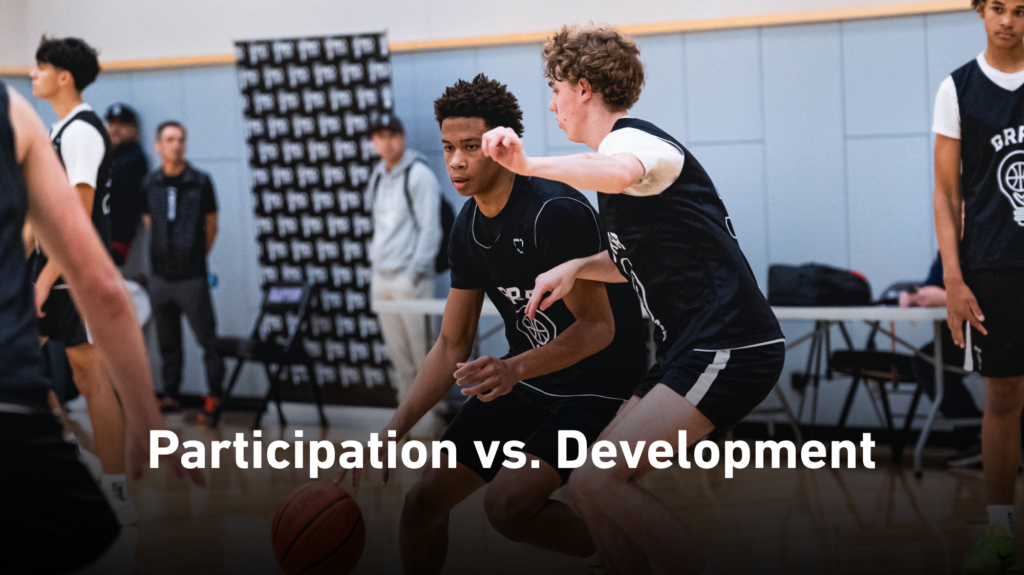
At Watts Basketball, we’re intentional about creating environments where players must think, compete, communicate, and execute. Not Occasionally. But Constantly.
Because development isn’t measured by attendance.
Development is measured by improvement.
Why We Push Pace, Physicality, and Competition
Parents sometimes wonder why our workouts are demanding… It’s because games are demanding.
The game requires:
- • Conditioning
- • Physicality
- • Communication
- • Toughness
- • Focus
- • Skill execution under pressure
If training doesn’t challenge those areas, it doesn’t prepare players for competition. That’s why we intentionally raise the standards.
We increase the pace.
We increase the competitiveness.
We increase the physicality.
We create situations where players must adapt and respond.
Growth lives just beyond comfort.
The Shooting Standard
The same philosophy applies to skill work.
During one segment, players spent five minutes shooting on the move from 15 feet. Most players made between 14 and 20 shots.
On the surface, that sounds pretty good. But when we looked deeper, we challenged them with a better question:
How many shots should you actually get up in five minutes?
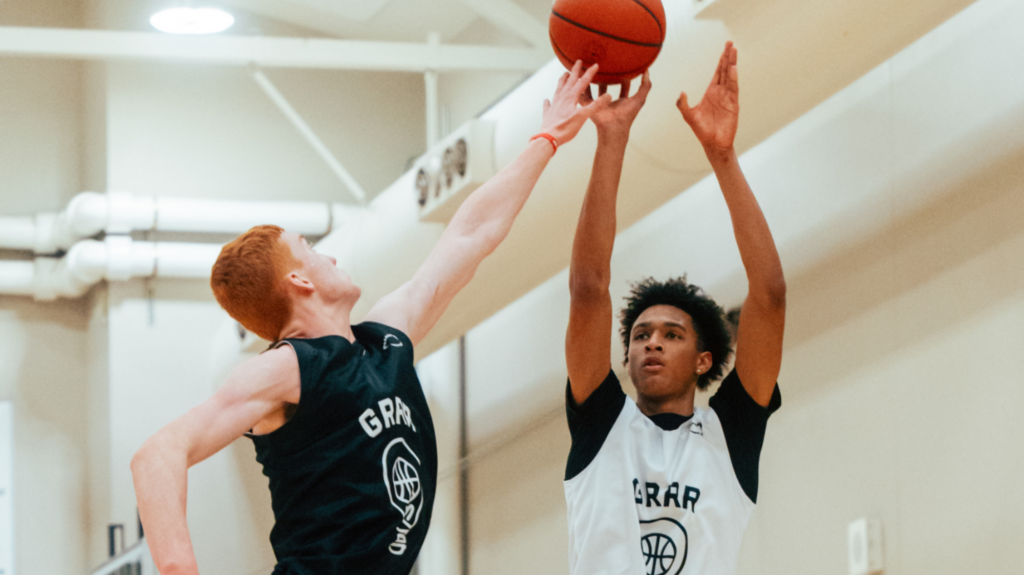
The answer was simple: Far more.
Because the goal isn’t just to make shots. The goal is to create game-ready shooters.
Players need hundreds of quality repetitions. They need to shoot while moving. They need to shoot while tired. They need to shoot at game speed.
When players can repeatedly make shots under those conditions, confidence changes. Performance changes. And ultimately, games change.
One Player Can Change Everything
Perhaps the most important lesson from the day had nothing to do with basketball. It was about impact. When one player truly commits to development, it affects everyone around them.
A player who improves raises the level of their team.
A stronger teammate creates better practices.
Better practices create better teams.
Better teams create stronger programs.
Stronger programs create stronger communities.
That’s why our mission extends beyond producing skilled players. We’re developing leaders who can change the trajectory of a team, a program, and ultimately a community.
The Bigger Goal
In today’s world, it’s easy for young athletes to focus on followers, likes, and highlights. But those things fade.
The memories that last are different.
The teammates.
The growth.
The challenges overcome.
The championships earned.
The communities strengthened.
Years from now, players won’t remember how many people liked a post.
They’ll remember the relationships they built, the work they put in, and the moments they shared with people who mattered.
That’s why we do what we do.
Not to create better social media profiles, but to create better players, better teammates, and better people. Because when development is done right, growth extends far beyond basketball.
And it all starts with one simple principle: Don’t stack days. Stack reps.