
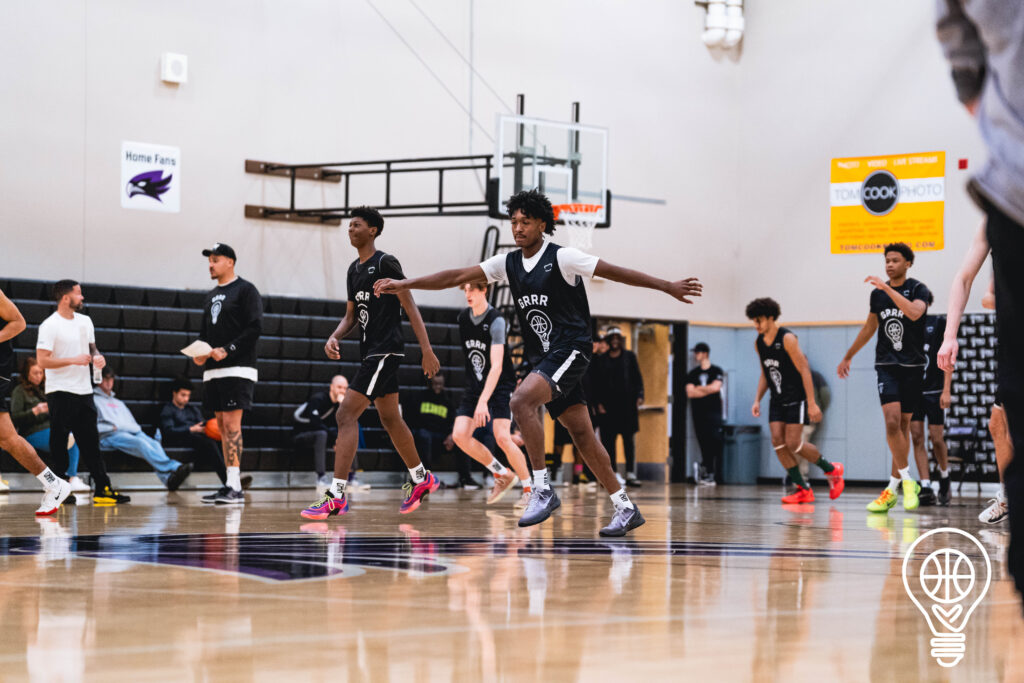
How to Prepare NOW for Future Opportunities in College Sports
Parents and young hoopers often ask the same question:
“What should my kid be doing NOW to earn scholarships LATER?”
They’re not asking about hype.
They’re not asking about rankings.
They’re asking about the training, the habits, and the preparation that actually translate to future success in college sports.
The answer isn’t glamorous.
It’s not about chasing the biggest college basketball recruiting events.
It’s not about obsessing over your ranking index or comparing yourself to McDonald’s All-Americans.
It’s not even about playing on the flashiest teams.
The truth is simpler — and harder: If you want to earn scholarships later, you must start training NOW for the realities of college basketball.
Not the dream version.
Not the social media version.
The actual day‑to‑day grind that players face inside real college programs, under real pressure, coached by real college coaches whose jobs depend on results.
This guide is for middle school and high school players (grades 7 and up) who want to invest 2026 into the type of training that will make them legitimate prospects down the line.
1. Start Early: Training for College Begins BEFORE High School

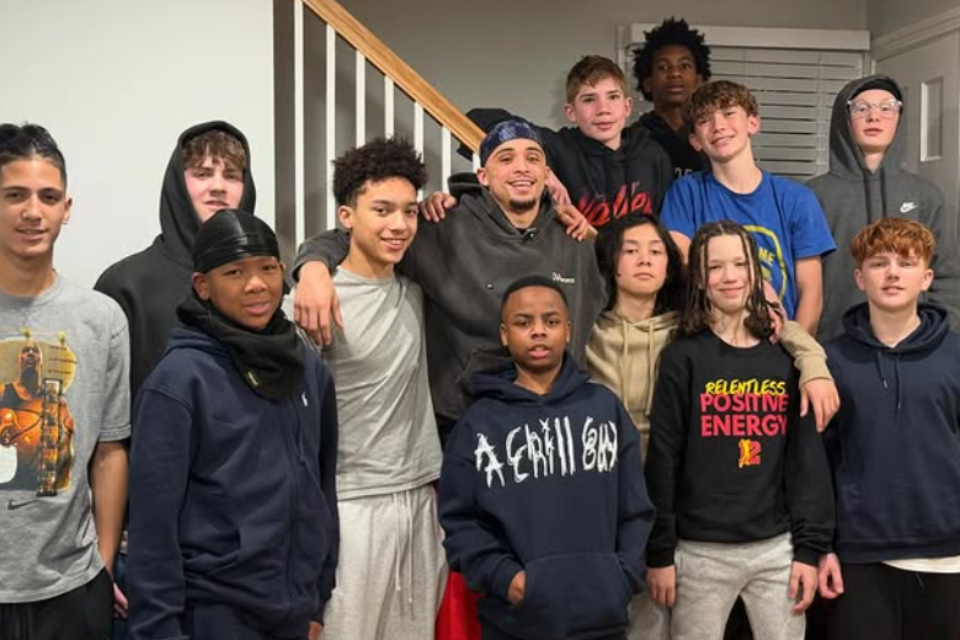
Many families make the mistake of thinking recruiting starts in high school.
Recruiting might start there, but readiness does not.
College‑ready players build their foundation years earlier:
• In 7th–8th grade
• In early high school
• During offseason training
• During individual • Development blocks
The earlier a player commits to the right habits — footwork, conditioning, discipline, mental toughness — the higher their ceiling becomes.
Players who start late spend high school catching up.
Players who start early spend high school separating.
2. Train for the Reality of College Sports, Not the Fantasy
Most players imagine college basketball as lights, crowds, big arenas, and ESPN highlights.
But actual college sports are built on:
• 6 AM lifts
• 2-hour practices at full speed
• Film sessions that feel like exams
• Travel days that throw off sleep
• Scout cards that change every game
• Competition at every position
• A head coach with expectations, standards, and consequences
• College programs don’t soften because a player is young.
So your training can’t be soft either. If you want to survive Duke practice, Gonzaga practice, Stanford practice — or ANY college environment — you have to train like someone who expects difficulty, not avoids it.
3. Conditioning Is Your First Scholarship Skill
If you walk into college in mediocre shape, the game will expose you before your coach ever does.
Players in grades 7–12 who want future scholarships need to invest heavily in conditioning:
• Aerobic base (longer, steady work)
• Anaerobic bursts (short, intense reps)
• Basketball-specific conditioning (closeouts, transitions, defensive slides)
Why?
Because if you’re gasping for air:
• You can’t learn
• You can’t compete
• You can’t adjust to coaching
• You can’t show your skill level
• You can’t earn trust
Conditioning is the cheapest, fastest, and most available scholarship advantage young players can build.
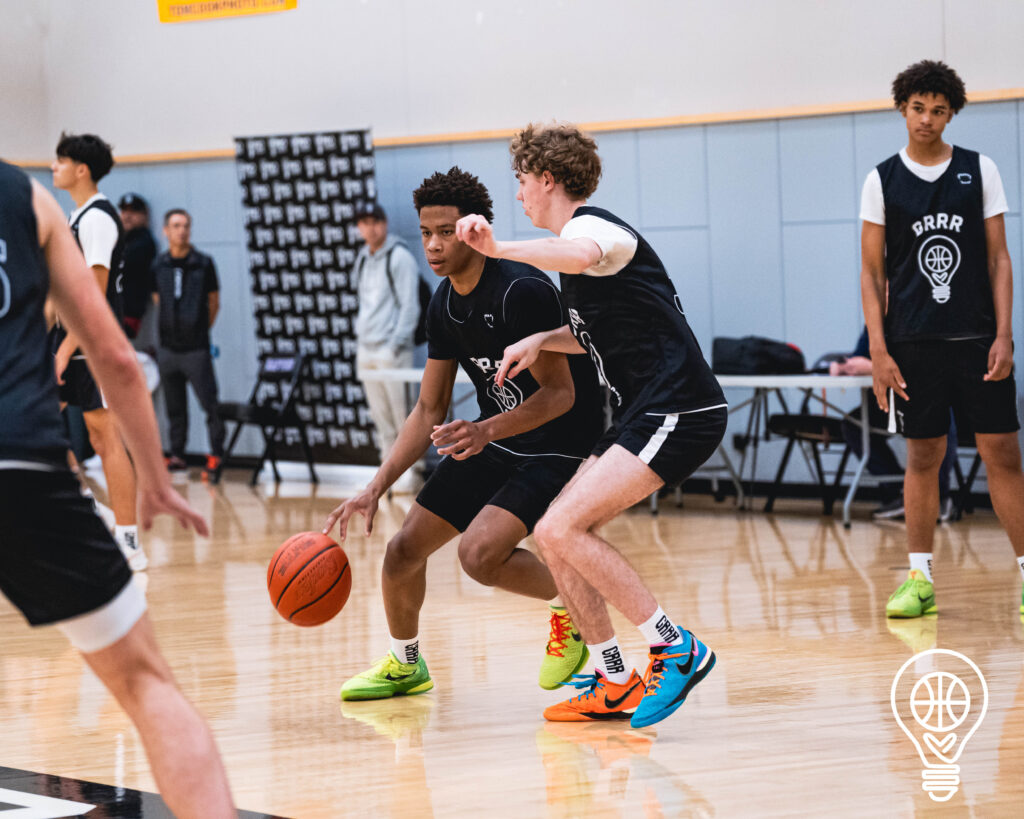
4. Build a Skill Set That Scales Up
College defenders are stronger.
College spacing is tighter.
College rotations are faster.
College mistakes are punished.
So the skills that work at one grade level don’t automatically work at the next.
7th–8th graders must master:
• Form shooting
• Layup footwork
• Ball control
• Finishing with both hands
• Defensive stance
9th–10th graders must build:
• Shooting off movement
• Pick‑and‑roll reads
• Weak‑hand reliability
• Timing on defense
• Finishing versus length
11th–12th graders must refine:
• A bankable skill coaches want (elite shooter, defender, rim runner, pace guard, etc.)
• Decision‑making at speed
• Leadership and communication
• Film study habits
The best fit college programs recruit players who fit roles.
Build a role early.
5. Mental Toughness Matters More Than Talent
This is the separator.
College players fail more in one season than they did in their entire youth career:
• shorter leashes
• more consequences
• higher standards
• stronger competition
• louder criticism
• heavier expectations
If a middle school or high school player collapses every time:
• A coach raises their voice
• They have a bad game
• Someone challenges them
• They experience bench time
…they are not being prepared for the demands of the recruiting process, let alone the reality of college.
Training in 2026 must include:
• Adversity drills
• Uncomfortable situations
• Accountability without excuses
• Learning to respond instead of react
Mental toughness is a skill, not a personality trait.
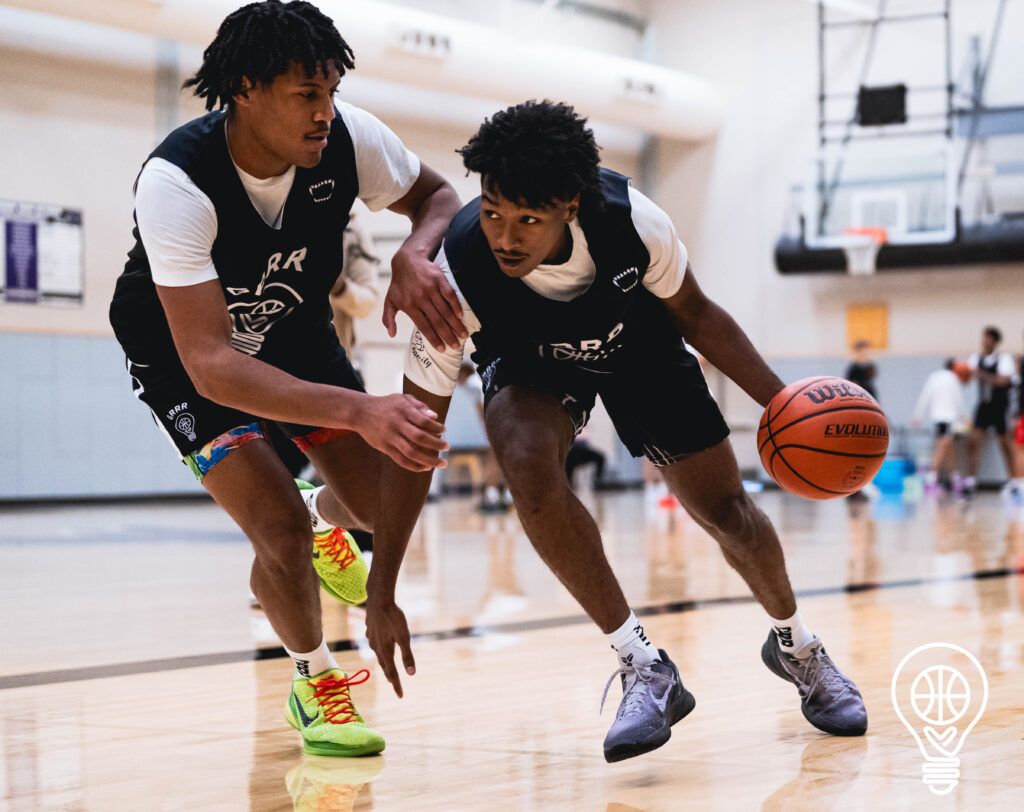
6. Understand the Recruiting Landscape Early
The 2026 environment matters for players in grades 7 and up because the landscape they are walking toward is:
• Older
• More competitive
• More crowded
• More portal-driven
• More analytical
The transfer portal changed everything.
College coaches now fill many roster spots with older, more experienced players. This doesn’t eliminate high school recruiting — but it raises the bar.
To be a future freshman signee, you must:
• Be more skilled
• Be more coachable
• Be more reliable
• Be more prepared
• Be more role-ready
Don’t fear the portal.
Use it as motivation.
7. Fall in Love With the Work, Not the Reward
You don’t train for a scholarship. You train to become the kind of player who DESERVES one.
In college, you play 30–38 games. But you train for 9 months straight. Middle school and high school players who want to earn opportunities later must shift their mindset from:
“I want to play in games.”
to
“I want to become someone who thrives in the work.”
Training to become consistent matters more than anything:
• Consistent focus
• Consistent mechanics
• Consistent effort
• Consistent attitude
• Consistent habits
• Consistency is a recruitable skill.
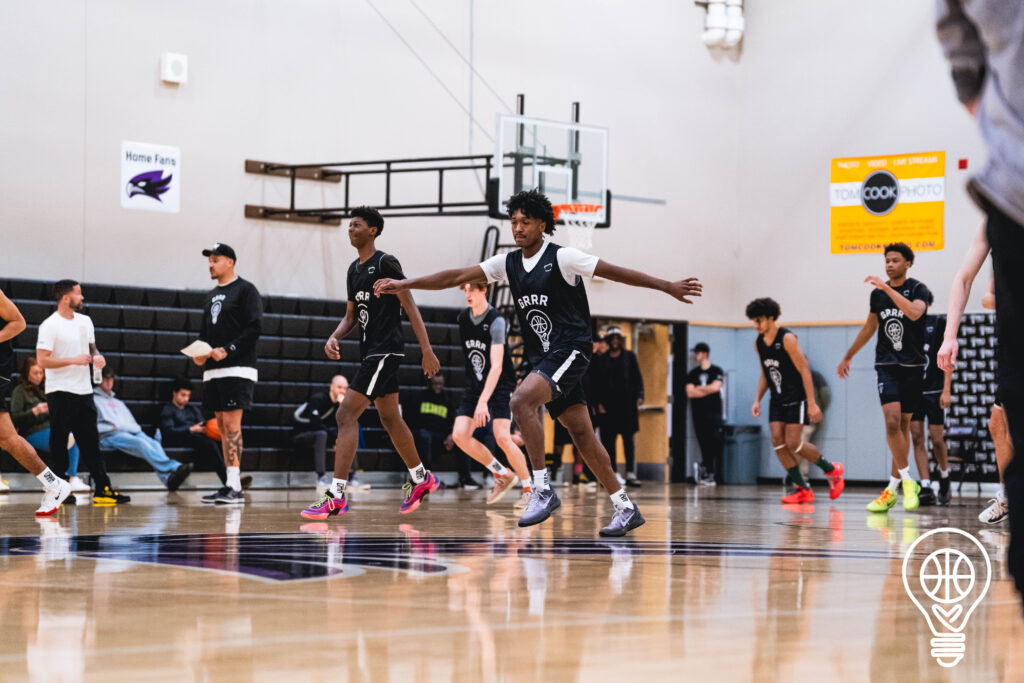
8. Stop Trying to Make Teams — Start Making TEAMS Better
Kids spend too much time chasing:
• The “right” AAU team
• The “best” high school
• The “elite” club teams
None of these matter long-term if you can’t impact winning.
Players who earn opportunities later are the ones who consistently:
• Defend
• Rebound
• Communicate
• Make the extra pass
• Finish plays
• Sprint back
• Show leadership
• Play their role
bring energy
College coaches ask one question:
“Does this player make winning easier?”
Everything in your training should move you toward a YES.
9. Each Year Has a Purpose — Grade-Level Training Blueprint
Grade 7–8:
Build the Base
• Ball control
• Finishing with both hands
• Defensive footwork
• Balance & coordination
• Love of the game and love of the work
Grade 11–12: Build the Player Coaches Recruit
• One elite skill
• Two dependable complementary skills
• Conditioning at college pace
• Professional habits
• Emotional maturity
• Accountability
• Role identity
• Development is a staircase, not an elevator.
Grade 9–10:
Build the Skill Set
• Shooting consistency
• Pick-and-roll understanding
• On-ball defensive pressure
• Physical foundation
• Film study
• Role exploration
10. The Bottom Line
If you want to earn college basketball opportunities in the future, the training you do in 2026 matters — whether you’re in 7th grade, 10th grade, or about to be a senior.
This year should be about:
• Building habits
• Building a foundation
• Building toughness
• Building a role
• Building a skill set
• Building a mindset
• Building discipline
College basketball will reveal the truth.
Youth Sports, Social Media Pressure & the Seattle Mariners’ Future: Donald Watts Breaks It Down

Seattle Sports Were at a Crossroads: Mariners Frustration, Huskies Concerns, Seahawks Momentum & NBA Expansion Hope

Seahawks, Huskies & A New Era in Seattle Sports | Watts Up Sports Hour

Donald Watts on the Apple Cup, Seahawks Expectations, Mariners Playoff Push and NIL Chaos

More Games Don’t Always Mean More Growth: The Truth About Youth Basketball Development
