SIGN UP FOR A FREE TRIAL TODAY

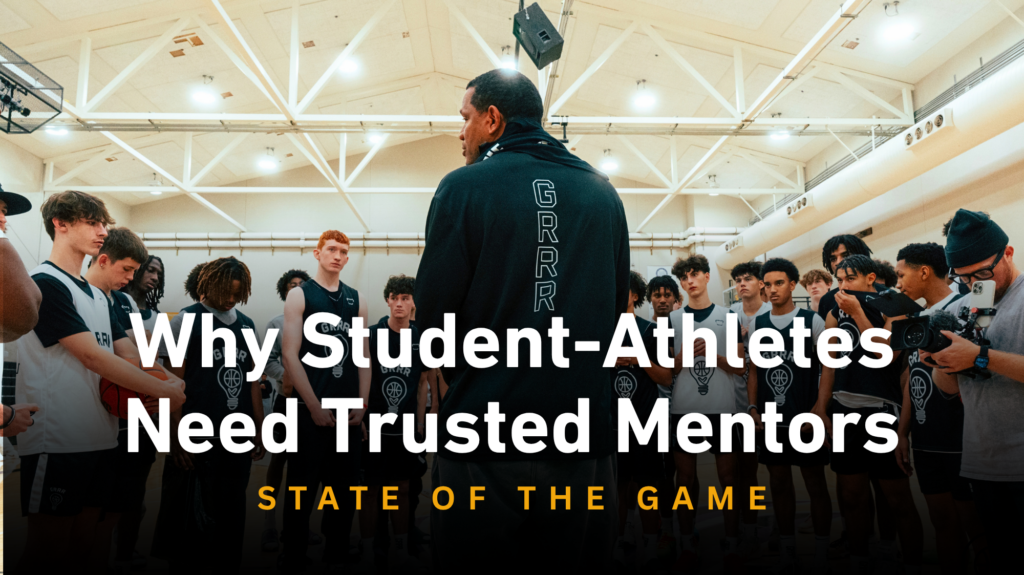
State of the Game: Why Student-Athletes Need Trusted Mentors

BE A PART IF THE WATTS COMMUNITY.

As youth sports continue to evolve, the path from aspiring athlete to college competitor is becoming more complicated than ever before. In this State of the Game segment from Watts Up Sports Hour, University of Washington basketball legend Donald Watts and host JB discuss the changing landscape of college athletics and why families need more than just talent to succeed.

The Game Has Changed for Today's Student-Athletes

College sports look very different than they did just a few years ago. With the rise of NIL opportunities and the transfer portal, athletes now face a constantly shifting environment where rosters, programs, and opportunities can change from season to season.

Donald Watts explains that in previous generations, athletes often entered a college program and spent years developing within the same system. Coaches had the opportunity to learn who their players were, understand their strengths and weaknesses, and help guide their growth both as athletes and as young adults.
 
Today, that stability is far less common.
 
As athletes move between programs and coaches more frequently, the long-term developmental relationships that once shaped college careers can be harder to find. While schools may invest in recruiting athletes, the deeper investment of time, mentorship, character development, and personal growth often requires consistent support from people who know the athlete beyond statistics and performance metrics.

Why Every Family Needs an Anchor

One of the strongest messages from this conversation is the importance of having trusted people who remain in an athlete’s corner throughout the entire journey.
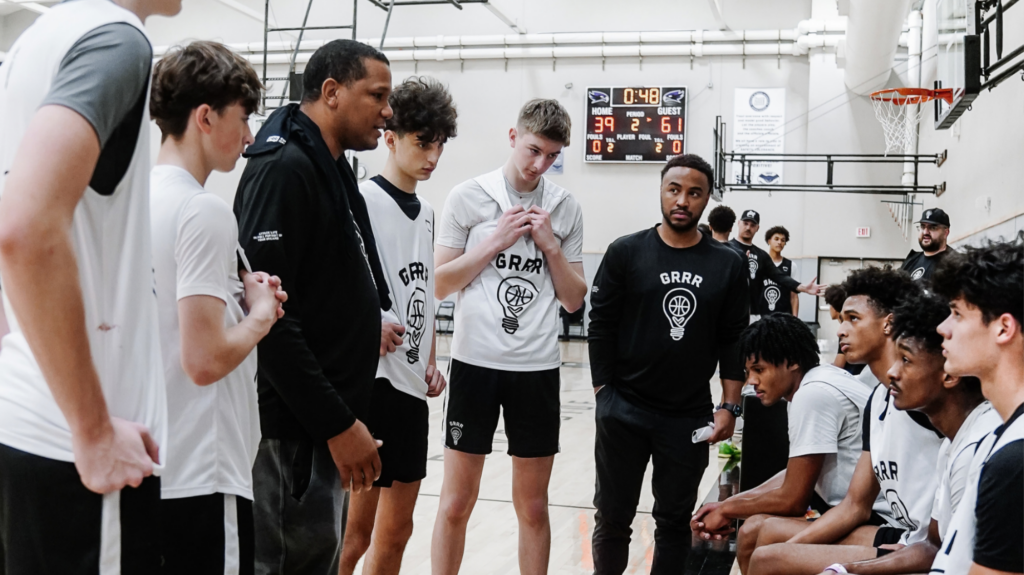
According to Watts, families should seek mentors and advisors who understand both the athlete and the world they are trying to enter. Success is no longer just about getting recruited. It’s about navigating the realities of college athletics once an athlete arrives on campus.

That guidance becomes especially valuable during moments of uncertainty, transition, and growth.

Watts emphasizes that athletes benefit greatly from having someone who understands their journey, knows their personality, and can help keep them grounded when circumstances change. Whether challenges arise on the court, in the classroom, or within a program, having a trusted mentor can provide stability amid constant change.

Transactional vs. Transformational Development

A recurring theme throughout the discussion is the difference between transactional and transformational experiences.

As college sports become more business-oriented, relationships can sometimes become focused solely on opportunities, contracts, and immediate results. However, Donald Watts believes that true development happens through transformational relationships built on trust, support, and genuine investment in a person’s growth.
 
For student-athletes, that means finding people who care about more than athletic performance. It means surrounding themselves with mentors who can help them develop as competitors, students, and young adults.
 
The goal isn’t simply reaching the next level. The goal is becoming prepared to thrive once they get there.

Lessons from Mike Tyson's Story

During the conversation, Watts references the Mike Tyson documentary on Netflix and reflects on the broader lessons found within Tyson’s journey.

What stood out to him was the powerful impact that mentorship and guidance can have on a person’s life. Tyson’s story highlights both the value of having strong influences and the challenges that can emerge when those support systems disappear.
 
For Watts, the documentary serves as a reminder that success alone is not enough. Athletes, leaders, and high achievers all benefit from positive people around them who provide guidance, accountability, and support. Without those relationships, navigating success and adversity becomes significantly more difficult.

Building Better Pathways for Young Athletes

As Donald Watts and his foundation continue developing initiatives to support youth athletes, the mission remains focused on creating practical solutions rather than simply discussing problems.
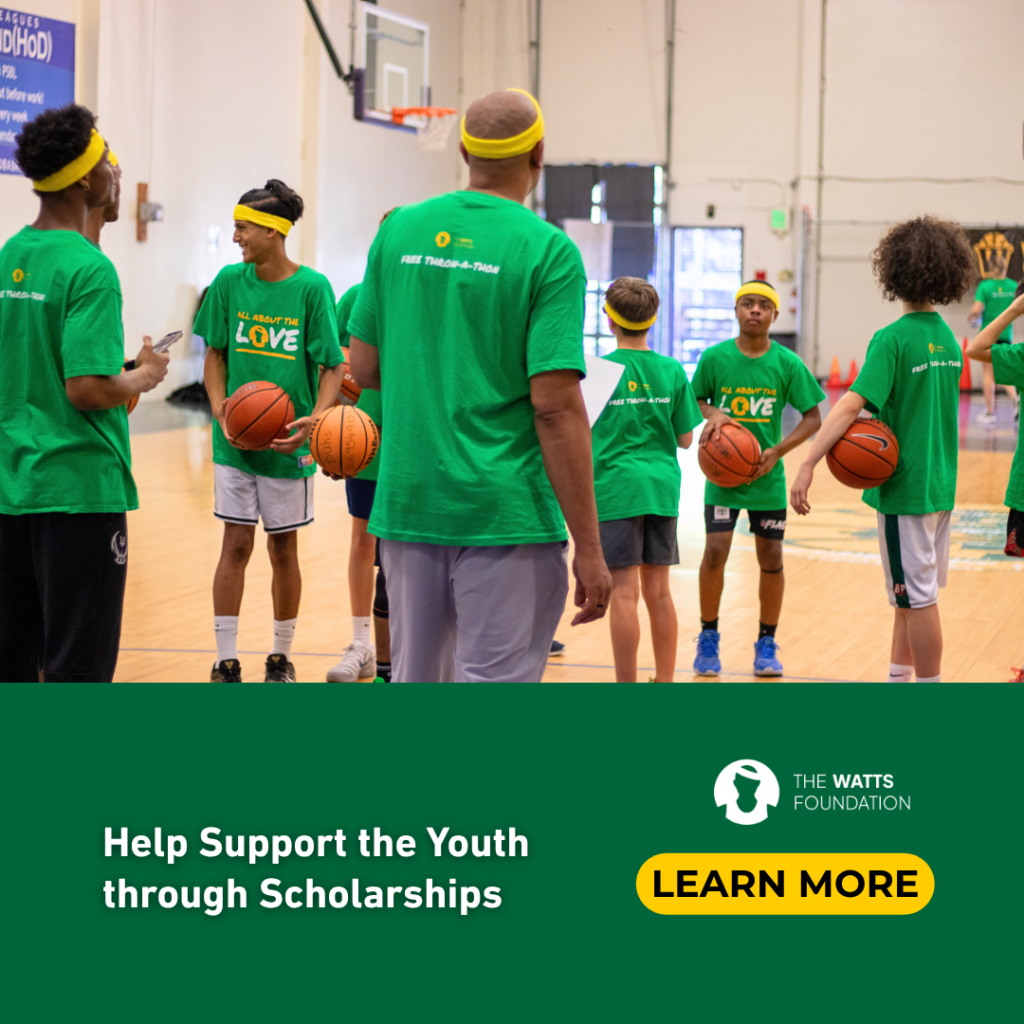
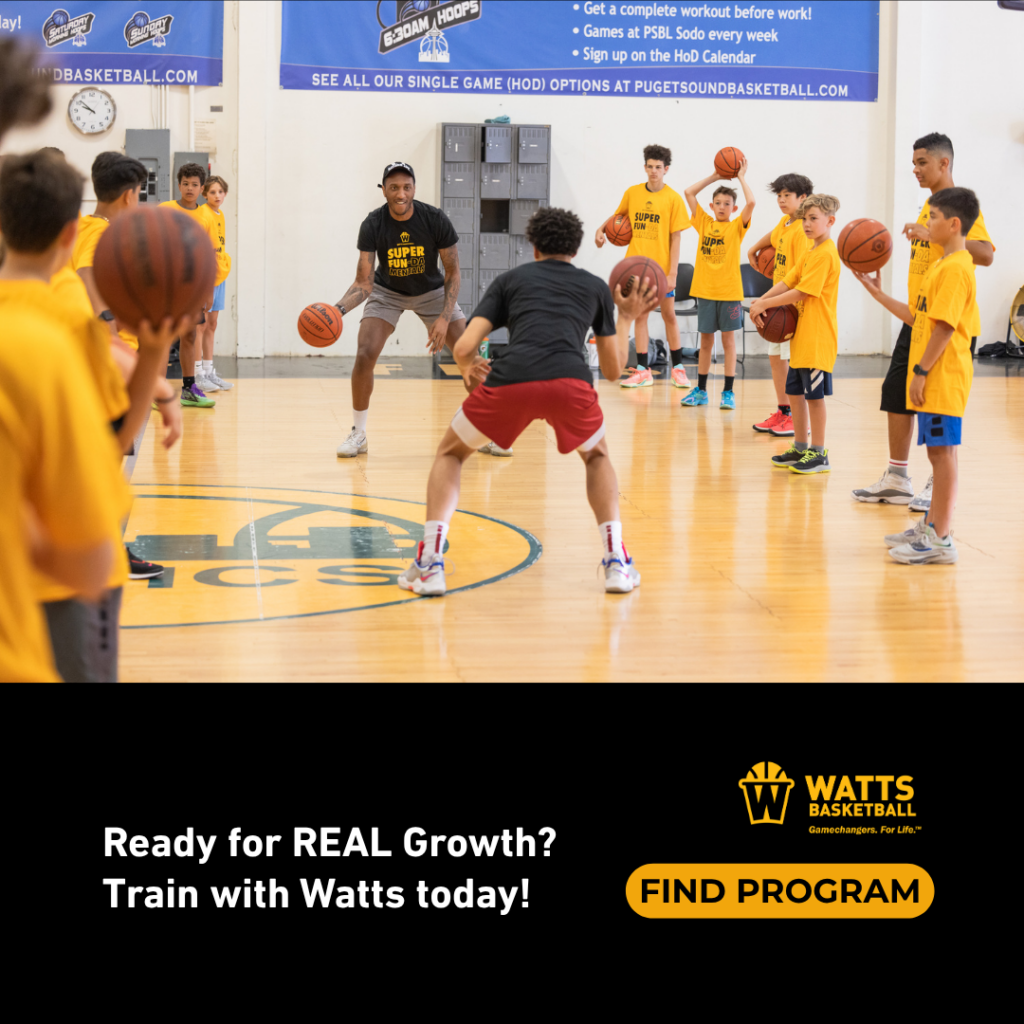
The vision is to help student-athletes navigate every stage of their journey, from the earliest years of development all the way through college athletics. More importantly, it is about ensuring young people have access to the mentorship, guidance, and support systems necessary to maximize their potential both on and off the court.

Final Thoughts

The modern youth sports landscape demands more than athletic ability. Student-athletes need guidance, mentorship, and trusted relationships that extend beyond recruiting and scholarships.
 
As Donald Watts explains, having someone who truly knows an athlete and remains committed to their long-term growth can make all the difference. In a world where change is constant, trusted mentors provide the stability, perspective, and support that help young athletes successfully navigate the journey from youth sports to college athletics and beyond.

Listen to the Full Segment

Feautured Posts